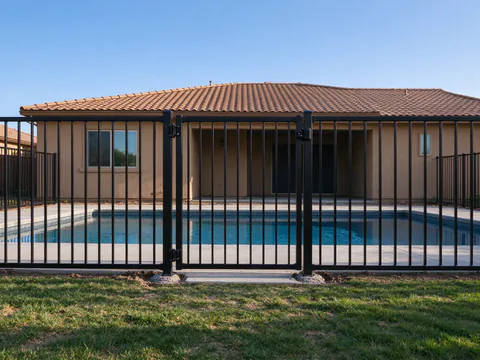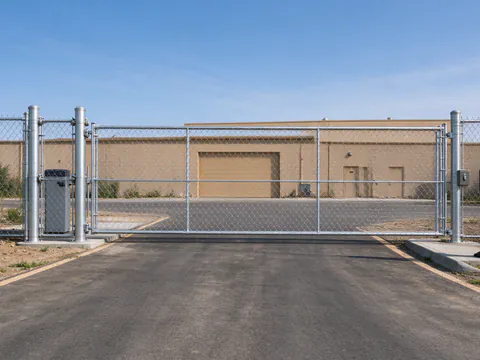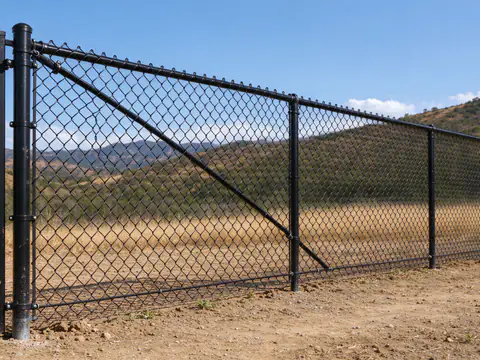
Cask Fence Temecula plans and arranges temporary fence rental for pool builds, construction sites, vacant lots and events in Temecula and the surrounding towns of southwest Riverside County, with setup carried out by licensed and insured contractors. The most common reason a Temecula homeowner needs one is a new pool. The city’s pool and spa handout, CD15, says a temporary fence and gate must be in place when pool construction begins, and a permit has to be issued before any excavation. A temporary fence is also the usual way to close off an open trench, a footing dig or a well site, or to keep vehicles off a vacant lot. Rental terms, availability and pricing are set per job, so this page explains what decides the setup rather than quoting it.
The pool construction fence, step by step
Temecula’s handout is short on this point. Under “Prior to Construction,” it says a temporary fence and gate shall be in place upon commencing pool construction, and that permits are required before any excavation work begins. A pre-construction meeting with the homeowner and the pool contractor happens at the first inspection. The handout doesn’t set a height or a type for the temporary fence, so the inspector at that meeting is the one who confirms what’s acceptable for your site.
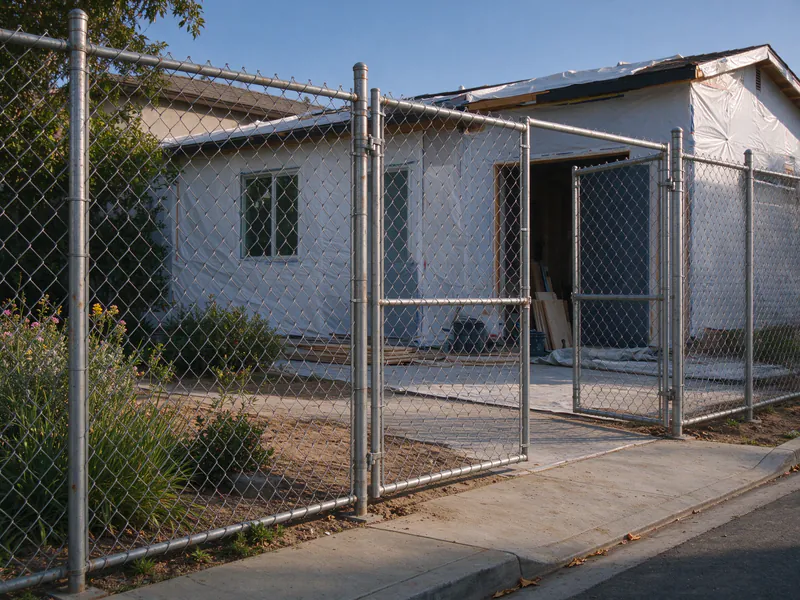
In practice, that sets an order of work. The permit is issued. The temporary fence and its gate go up around the work area. Then the excavator digs, and the steel, plumbing, shotcrete, decking and equipment follow over the following weeks. The fence stays up through all of it and gets moved when the work demands, for instance when decking reaches the line where the panels stand. It comes down only once the permanent enclosure is built, which is the barrier the final inspection checks. The pool fence installation page covers that enclosure, and the pool fence requirements guide covers the code language.
Where the fence goes takes some thought. Ringing the excavation tightly leaves no room for the crew, the forms or the hose from the shotcrete truck. Many owners instead fence off the whole construction zone: from the side-yard access gate to the edge of the patio, so the house, the kids and the dog are on one side and the dig is on the other. The line has to leave the excavator, the concrete pump hose and the materials a way in, which is what the gate is for. A gate left open with panels pulled aside defeats the point.
Temporary panel fence versus a pool safety feature
This is where people get confused, because the word “temporary” comes up on both sides. California’s Health and Safety Code 115922 lists a removable mesh fence meeting ASTM F2286, with a self-closing and self-latching gate, as one of seven drowning-prevention features for a permitted pool. That mesh is a permanent safety product that happens to come apart. Rented construction panels are something else: a work-zone barrier for the build.
Temecula’s code also requires that one of the two pool safety features be an enclosure meeting Health and Safety Code 115923. So removable mesh can be the second feature, inside a permanent fence, but it can’t replace the enclosure, and rented panels can’t stand in for either one at final inspection. For anyone searching for a temporary pool fence “to pass inspection,” that is the honest answer: the construction fence carries the build, and the permanent barrier carries the final.
Planning the pool and its fence together?
One plan can cover the construction fence, the permanent enclosure and the gates, so the line isn't moved twice.
Open excavations and job sites
Pool digs aren’t the only holes in the ground. Footings for a block wall, a septic or well job, utility trenches and grading for a retaining wall all leave openings that a child or an animal can fall into. Cal/OSHA’s excavation rule, Title 8 section 1541(l)(2), says adequate physical barrier protection shall be provided at all remotely located excavations, and that wells, pits and shafts shall be barricaded or covered. That rule speaks to employers on a job site, and panel fence is a common way to meet it. Barricade tape and cones are not a barrier.
On commercial and tract projects where Riverside County Fire is the fire authority, its access guideline, OFM-01A, adds requirements for construction fencing. Gates through construction fencing get a Knox padlock, and all gates in construction fencing need either a Knox or a breakaway padlock. Construction can’t block existing fire access roads, phasing plans show where construction fencing and vehicle gates go, and hydrants keep 3 feet of clear space around them. The commercial fencing page covers longer-term site perimeters.
Panels, stands, clamps, sandbags and windscreen
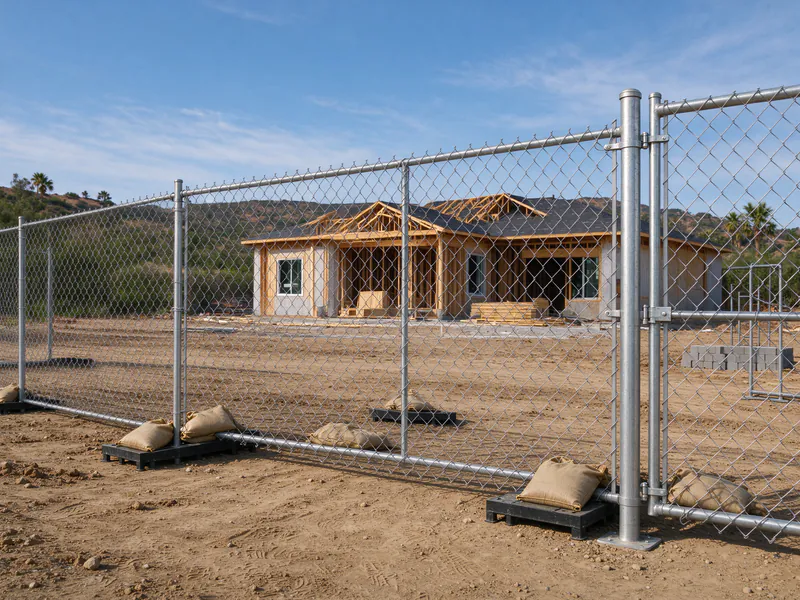
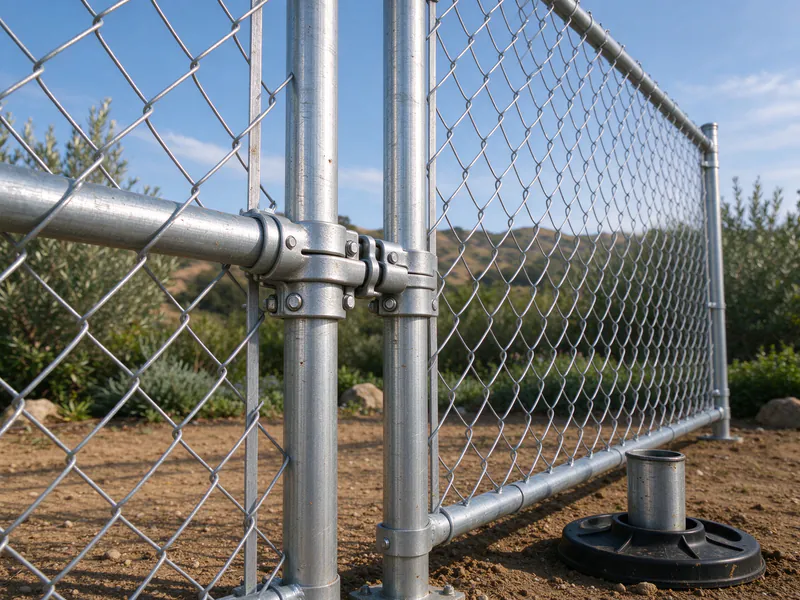
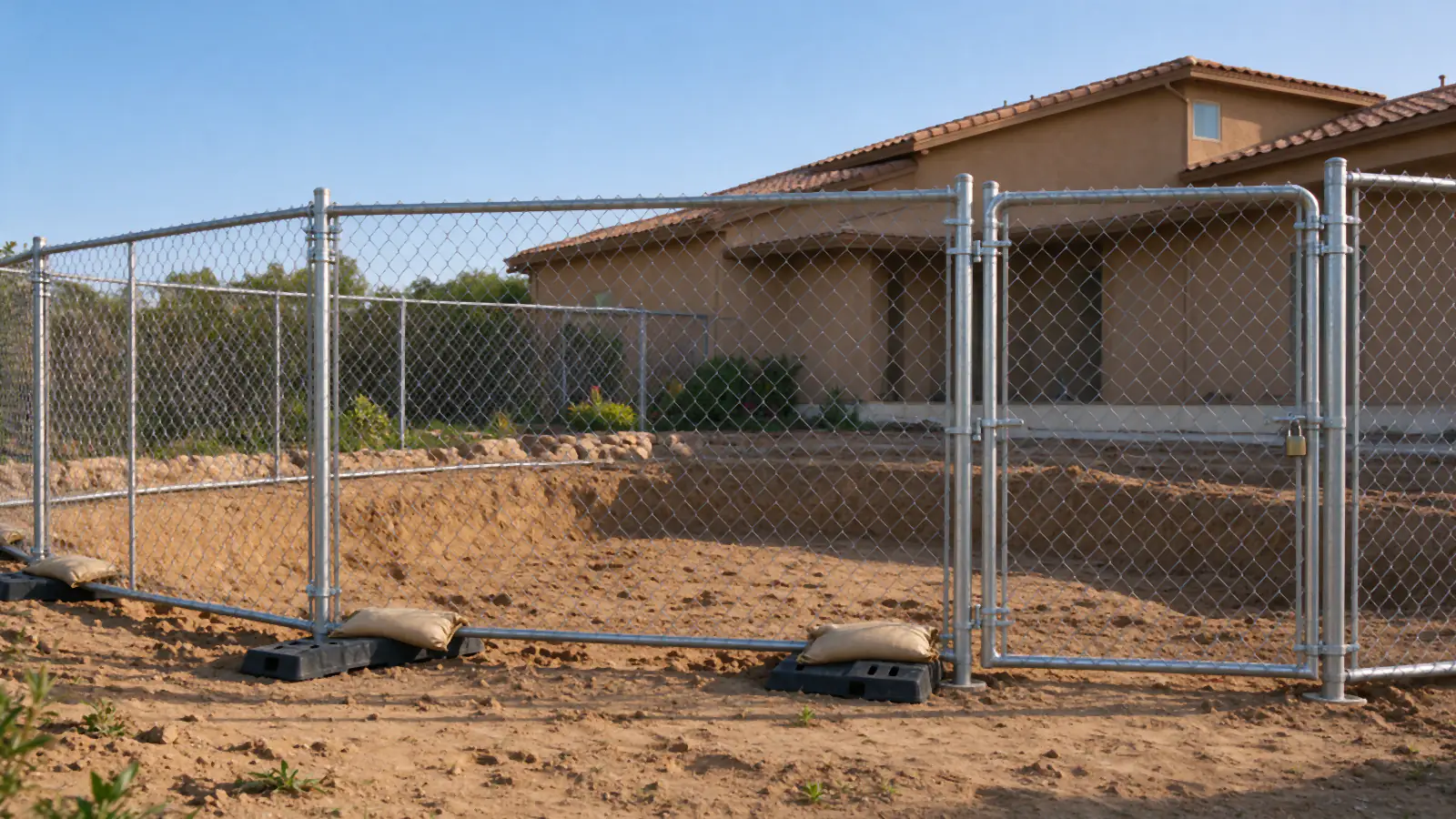
Temporary fence is a freestanding panel system. Each panel, usually chain-link or welded mesh in a steel frame, sits in weighted stands at its feet. Clamps join each panel to the next, so the line acts as one long braced fence instead of a row of loose sheets. ASTM F3342, the guide for temporary construction fence, covers 6 and 8 foot fence installed as a continuous barrier with panels positively connected with steel fittings. Panel gates swing or slide in the line and take a padlock.
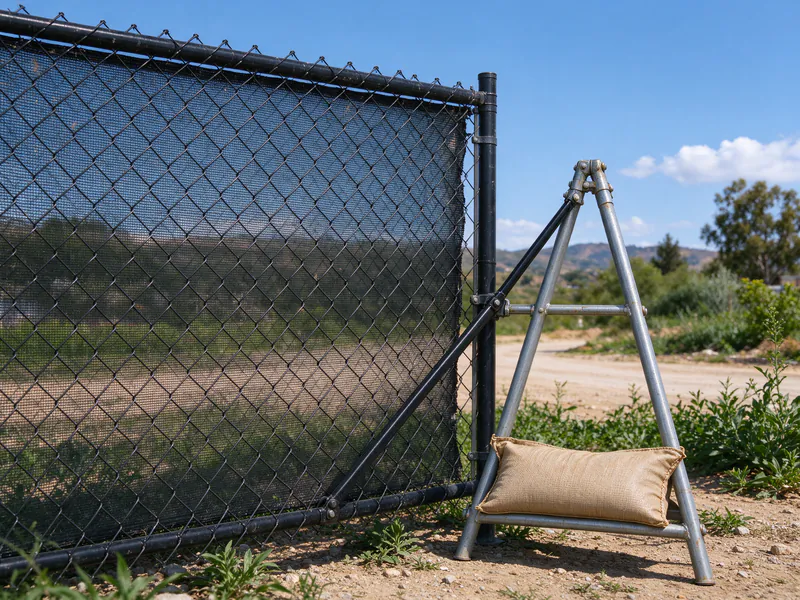
Wind is the problem in Temecula. The city’s design wind is 97 mph, Exposure C, and Santa Ana events bring strong gusts through the valley and over the ridges. Bare chain-link panels let most of that air through. Windscreen and privacy screen don’t: ASTM F3342 notes that screened temporary fence forms a solid barrier and should be designed for wind like a permanent fence, and that this kind of fence isn’t built for 110 mph gusts. The usual answers are more sandbags on the stands, added braces anchored to the ground, closer clamping at corners, and pulling the screen off exposed runs when a wind event is forecast. Screen is still worth having where dust or privacy matters.
Dust is the other reason screen goes up. Temecula is within the South Coast Air Quality Management District, and its Rule 403 on fugitive dust lists upwind fencing as a way to keep material from moving during earth-moving work. For vacant land that gets driven on, it lists barriers, fences and gates among the measures that keep vehicles off. Both are listed as control options, not as a fence mandate.
Stormwater, sidewalks and events
Every building permit in Temecula comes with a stormwater certification. The city’s minimum construction BMPs, enforced through its grading and erosion control ordinance and applying to all construction sites regardless of size, name silt fences among the sediment controls that keep dirt on the site. Temporary fence often runs along the same perimeter. The panels and stands go on the inside of the silt fence or beside it, never through it, and a stand dragged across a silt fence tears the very measure the inspector checks.
Fence that leaves private property is a different matter. Temecula Public Works requires an encroachment permit before construction in the public right-of-way, and temporary fence on a sidewalk, parkway or street may require one. The application can call for a traffic control plan, a City business license, insurance and two working days’ notice before work. Where a fence closes a sidewalk, a safe pedestrian route around it becomes part of the plan. Fence kept entirely on the lot needs none of this.
Event fencing ties to the event’s own permit. The City of Temecula’s fee schedule lists a Temporary Use Permit at $157 for a minor event and $316 for a major one, and crowd fencing is planned to that permit’s site plan.
What sets the rental cost
Rental pricing isn’t published here, because the terms vary by supplier and by job. What decides the cost is total footage, panel height, the number and type of gates, how long the fence stays up, windscreen or privacy screen, extra stands, sandbags and bracing for wind, how many times panels move as the work changes, access to the site, and any permit for fencing in the right-of-way. Damage and loss of panels, and late removal, are worth asking about up front. For a permanent fence after the build, the chain link fence page, the fence cost guide and the fence cost estimator are the next stop. The planning guide covers the rest of a fence project, and if a dog shares the yard during the build, the dog fence guide helps. To set up a temporary fence, send the site details.